
What is fostering?
Fostering is providing a safe, stable, and caring family environment for children and young people aged 0 to 18 who, for various reasons, cannot live with their birth parents. This care can be temporary or it may be longer-term, depending on individual circumstances.
What does a foster carer do?
Being a foster carer involves providing emotional support, guidance, and stability to help children thrive and reach their full potential.
Foster carers look after children in their home and take care of their practical day-to-day needs. Depending on the children they care for, this may include:
- Making meals
- School drop-offs and pick-ups
- Attending appointments and activities
- Working with schools and other organisations to support learning
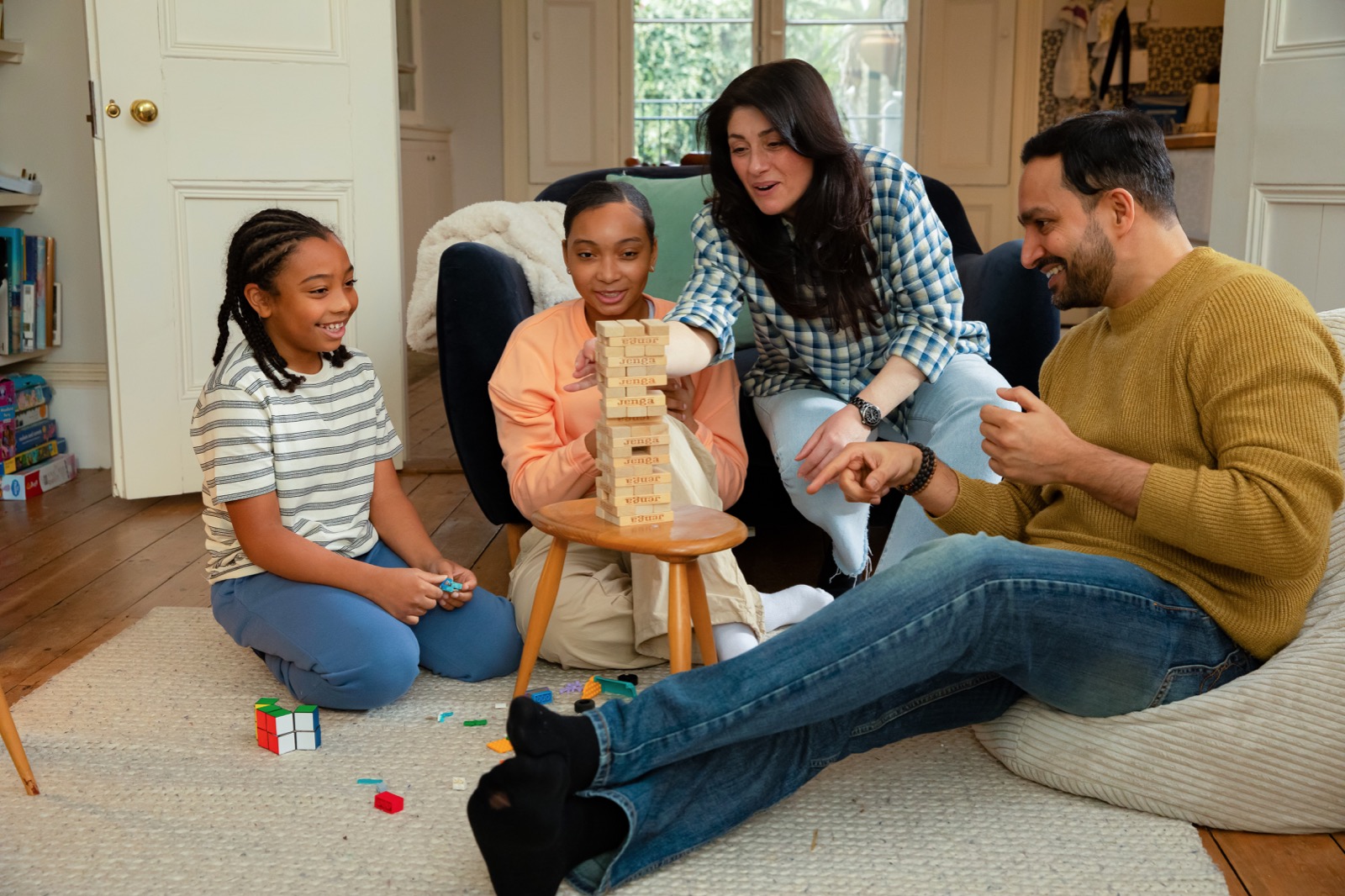
- Doing fun activities as part of a family
But being a foster carer is more than just providing practical support. It’s about providing a safe, secure and loving environment, advocating on behalf of the children you care for and ensuring their wider educational, health and social wellbeing needs are met.
Foster carers are an essential part of the professional network around the child. They work alongside social workers, teachers, health care services, birth families and others to gain the best possible outcomes for children in their care.
Why do children need support?
Social workers work hard to keep families together, but when this isn’t possible, due to issues such as family difficulties, parental ill health or neglect, children of all ages may come into local authority care. Many have experienced trauma and loss, and need foster carers who are empathetic, patient and resilient.
Since 2008, the number of children in care in England has increased every year, while the number of registered foster carers has not kept pace. This means there are not enough homes for children who need them, and more local foster carers are urgently needed.
Fostering isn’t always easy, but it is incredibly rewarding. Foster carers make a genuine, lasting difference in children’s lives every single day.

Want to know more?
We’d love to chat with you. Get in touch with our friendy recruitment team who can answer any questions you have about fostering with your local authority.